

AC Replacement in Phoenix: Fast, Honest, Done Right
Your system is running on borrowed time. Whether it just died or it’s been struggling for months, Precision Air & Plumbing gets you back to cool, fast.
We show up same day, give you options at different price points, and install your new unit with NATE-certified technicians who treat your home like their own. No surprises on the bill. No upsells you didn’t ask for.



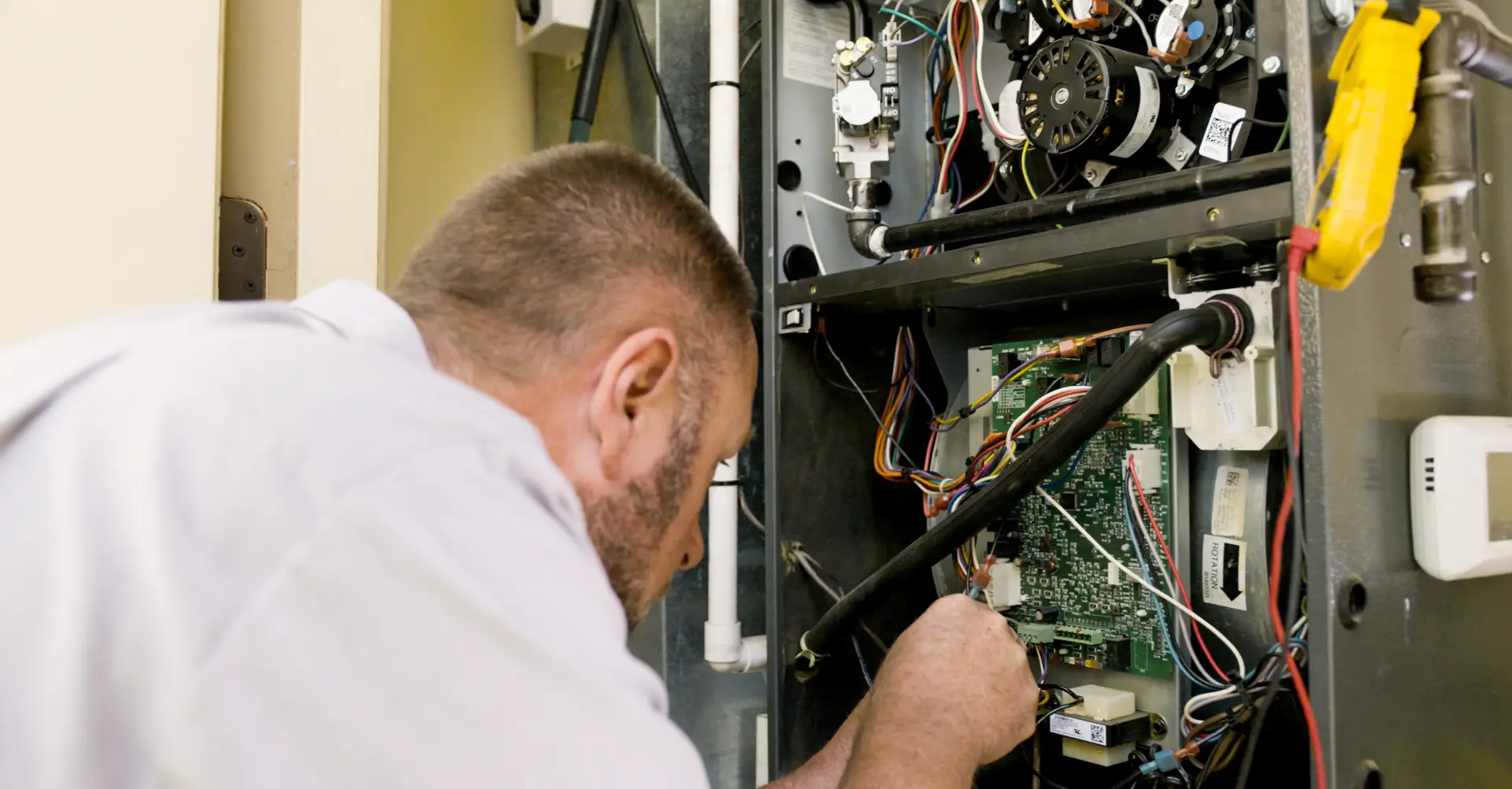
Reliable Installs. Cool Homes.
Make the Precision Decision
Upfront
Pricing

You see the full cost of your AC replacement before we start any work.
Multiple AC Options

We bring you a few unit options at different price points and let you pick.
Same-Day Service

We come out fast, give you a quote, and often install the new unit within days.
No Weekend Fees

Your AC gives out on a Saturday? Same flat rate, seven days a week.
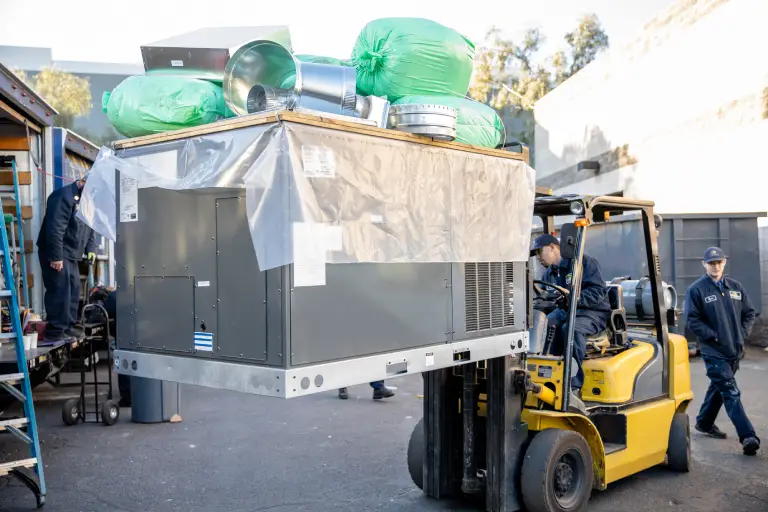

NATE-Certified Installers

Our install crew holds NATE certification and carries full insurance.
Flexible Payment Options

Financing options that fit your budget. Ask about current plans when you call.
Testimonial
What Our Customers Say
Precision Cooling Upgrades
AC Unit Replacement Handled the Right Way
A new air conditioner is one of the most significant purchases you’ll make for your home. In Phoenix, it’s also one of the most consequential. A system that underperforms, fails early, or was installed incorrectly doesn’t just cost you money. It affects your sleep, your health, and your ability to stay in your home safely during extreme heat.
That’s why the install matters as much as the equipment.

Why installation quality is the deciding factor
Most major AC brands use many of the same internal components: the same compressors, the same motors, the same coils. What separates a system that lasts 15 years from one that needs a major repair in year four isn’t usually the brand. It’s how it was installed.
A properly installed system is charged with the correct refrigerant level, has airflow verified at startup, and is matched to the actual load requirements of your home through a Manual J heat load calculation. These aren’t optional steps. They’re the difference between a system that runs efficiently for a decade and one that struggles, drives up your electric bill, and fails before its time.
At Precision Air & Plumbing, every replacement includes:

A full Manual J load calculation to match the right size system to your home, not the same size as your old unit, and not a rule-of-thumb guess
Nitrogen brazing during line set work to prevent contamination that degrades the system over time
Cleaning of existing line sets to remove debris before the new system is connected
Float switch installation on the condensate drain to protect against water damage
Startup testing with third-party verified PrecisionLink software to confirm the system is operating correctly before we leave
What to expect from the replacement process
When you call Precision Air & Plumbing for an AC replacement estimate, here’s what actually happens:
A field supervisor visits your home. Not a salesperson. They assess your current system, measure your space, and perform a load calculation. Then they walk you through several equipment options at different price points so you can make the choice that fits your budget and your goals.
Once you’ve chosen your system, we schedule the install. Most residential replacements are completed in a single day. Our installation crew holds NATE certification, carries full insurance, and works cleanly, protecting your home during the install and cleaning up completely before they leave.
After the new system is running, we perform a complete startup check using verified software to confirm airflow, refrigerant charge, and system performance. You receive documentation of that test. If anything isn’t right, we fix it before we close out the job.
No surprises on the bill. No upsells you didn’t ask for. And if you have questions after the install, we’re reachable.
Signs You Need an Air Conditioning Replacement Soon
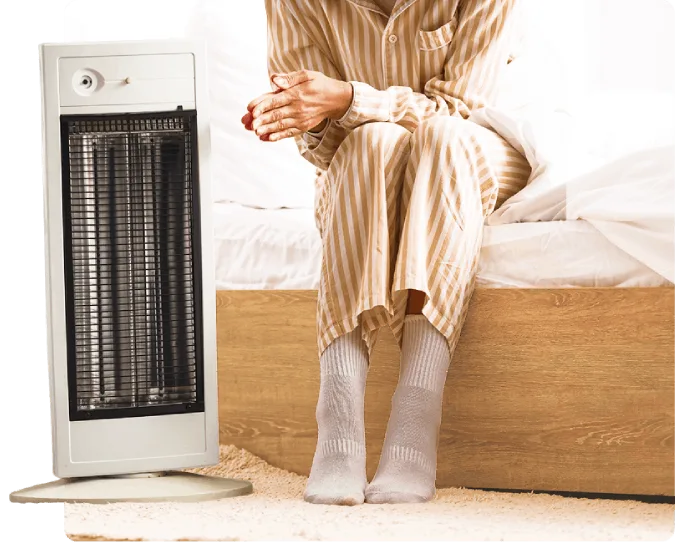
AC systems don’t usually fail out of nowhere. They drop small hints for months before they quit. These are the signs that tell you the clock is ticking.
01
Your unit is over 10 years old. Most AC systems last 10 to 15 years in Phoenix. Past that mark, efficiency drops greatly.
02
Repair bills keep getting bigger. When a single repair costs more than half the price of a new unit, replacement is the smarter call.
03
Some rooms never get cool. Uneven cooling usually points to a system that’s too small, too old, or struggling to keep up.
04
Your energy bills keep climbing. An aging AC runs longer and harder to deliver the same comfort.
05
Your system still uses R-22 refrigerant. R-22 was phased out years ago and is expensive to replace.
Replacement isn’t always the answer, and we’ll tell you when it isn’t. Our goal is to match you with the right call for your home and comfort.
One thing Phoenix homeowners find out the hard way: AC companies book up fast once temperatures climb past 105 degrees. If your system is showing any of these signs heading into summer, replacing it now, on your own schedule, gives you more equipment options, better pricing, and a faster install window than waiting for a failure forces your hand.
What Keeping a Failing AC Is Actually Costing You
The math almost always favors replacement over waiting.
Most Phoenix homeowners wait too long to replace their AC system. Not because they don’t know it’s failing. Because they’re hoping to squeeze one more summer out of it.
Here’s what that decision actually costs:
Higher energy bills every month. An AC system that’s 10+ years old can use 20 to 40 percent more electricity to deliver the same cooling as a new unit.
Modern systems run more efficiently. Most homeowners see a $60 to $150 monthly reduction in cooling costs after replacing an aging unit.
Repair bills that keep coming. When a system is failing, one repair leads to another. A compressor repair today is often followed by a refrigerant leak next season.
New systems come with manufacturer warranties of up to 10 years on parts. Your repair bills drop to near zero for years after install.
Risk of catastrophic failure in peak heat. July and August are when failing systems quit for good, often on a 115-degree day when every AC company in Phoenix is fully booked.
Replacing on your schedule means you control the timing. You avoid emergency pricing and long wait times during peak demand season.
R-22 refrigerant costs are rising sharply. Older systems still running on R-22 face escalating recharge costs because the refrigerant is no longer manufactured.
New systems run on modern refrigerants with stable supply and no phase-out risk.
The breakeven point on most replacements is typically 4 to 7 years. With Phoenix summers running 5 to 6 months of heavy cooling demand, that window can be even shorter.
When you call Precision Air & Plumbing, we’ll walk you through your specific situation, give you options at different price points, and help you understand exactly what the numbers look like for your home. No pressure. Just honest information.
Get a Free Replacement Estimate
All Your AC Needs, One Trusted Team
Precision Air & Plumbing handles every side of air conditioning work, not just replacement. Our licensed techs cover repair, installation, and long-term care for homes and businesses across Phoenix.


Benefits of Replacing an Outdated Air Conditioner
Replacing an air conditioning unit isn’t cheap, but the right unit earns its keep every month. Here’s what a modern system delivers that an aging one simply can’t.

Lower Monthly Energy Bills
Modern systems run on less power and cool faster. Most homeowners see a 20 to 40 percent drop in cooling costs after upgrading from an older unit.

Cooler, More Consistent Temperatures
A new system delivers steadier cooling than an aging one. Uneven cooling between rooms can also be due to the ductwork, which is a separate service we can quote if needed.

Quieter Operation
New high-efficiency units are dramatically quieter. Base models won’t cut down the noise as much, so ask about quieter options when picking your unit.

Stronger Warranty Coverage
New systems come with manufacturer warranties that cover you for years after install.

Better Indoor Air
Upgraded filtration and humidity control mean cleaner, more comfortable air throughout your home.
Frequently Asked Questions
You’ve got questions. We’ve got answers.
Here’s what most Phoenix homeowners ask before booking an AC replacement in Phoenix AZ.
How do I know if I need AC replacement or just a repair?
If your unit is under 10 years old and the repair is minor, fixing it usually makes sense. But if your system is older, inefficient, or facing a repair that runs over half the cost of a new unit, AC replacement is the smarter long-term call.
How long does an AC unit replacement take?
Most residential air conditioning replacement projects take a single day. Bigger jobs involving ductwork upgrades, HVAC replacement with heating, or commercial installs can take longer.
What is the difference between SEER2 and EER2, and which matters more in Arizona heat?
Both SEER2 and EER2 measure energy efficiency, but they evaluate performance under different conditions.
- SEER2 (Seasonal Energy Efficiency Ratio): Measures efficiency over an entire cooling season with varying temperatures. This is the number most commonly used in marketing and comparisons.
- EER2 (Energy Efficiency Ratio): Measures efficiency at a consistent high outdoor temperature (typically around 95°F and above), which better reflects real-world performance in extreme heat.
In desert climates like Arizona—where temperatures regularly exceed 105°F—EER2 becomes a more accurate indicator of how your system will actually perform.
Many systems with high SEER2 ratings achieve that efficiency under mild conditions but may not perform as efficiently during extreme heat. A system with a strong EER2 rating will:
- Maintain better performance during peak summer temperatures
- Operate more efficiently when you need it most
- Provide more consistent cooling under heavy demand
At Precision Air & Plumbing, we help homeowners evaluate both ratings to ensure the system you choose performs efficiently in real desert conditions—not just on paper.
Why is there such a large price range for new equipment?
Every home is different, which means every installation is different. While many homes require similar base components, some homes need additional upgrades to properly support a new system.
These upgrades can include:
- Undersized ductwork that needs to be increased for proper airflow
- Line set sizing or replacement, depending on the existing system
- Roof or attic penetrations that need to be modified
- Fixing existing hot or cold spots caused by duct design
Unlike a plug-and-play appliance, HVAC systems must be customized to your home.
In addition, equipment itself varies. Some systems are more energy efficient, quieter, or provide better comfort control than others. Different brands and feature levels also impact pricing.
The best way to determine exact pricing is to have a field supervisor evaluate your home and provide options based on your needs and budget.
Why does pricing vary from company to company?
Pricing differences typically come down to quality, process, and support.
Some key factors include:
- How quickly the system can be installed
- The quality of materials used
- The training and skill level of the technicians
- Installation procedures followed
The most important day of an air conditioner’s life is the day it’s installed. Poor installation can lead to long-term issues and higher costs.
At Precision Air & Plumbing, we follow manufacturer specifications and go beyond standard practices by:
- Brazing with nitrogen to prevent contamination
- Cleaning existing line sets to remove debris
- Flushing and clearing condensation lines
- Adding vibration absorption to reduce noise
- Verifying airflow, charge, and system performance
We also test every system using third-party verified software to ensure it’s operating correctly in your home.
Additionally, post-installation support matters. Having a company that stands behind its work and is available when needed provides long-term value.
How long does a typical installation take?
Most standard system replacements are completed in one full day.
If additional work is required—such as ductwork modifications—the project may take 2–3 days, depending on the scope.
How do I know which system is right for my home?
The best system depends on your goals, budget, and how long you plan to stay in the home.
- Entry-level systems: Great for budget-conscious homeowners or short-term ownership. Still offer improved efficiency and performance over older systems.
- Mid-tier systems: Provide better efficiency, quieter operation, and improved airflow control. Often include smart features and enhanced warranties.
- Top-tier systems: Deliver maximum comfort, quieter performance, better humidity control, and advanced features. These systems may also qualify for rebates and tax credits when available.
A professional evaluation helps match the right system to your specific needs.
How do I know what size air conditioning unit I need for my home?
System sizing depends on several factors, and it’s important to get it right.
In the past, many contractors used rules of thumb—such as matching the existing unit or sizing at approximately 1 ton per 400 square feet. However, these methods are no longer reliable due to improvements in home efficiency.
The correct way to determine system size is by performing a heat load calculation (Manual J).
This process takes into account:
- Your home’s square footage and layout
- Insulation levels and construction type
- Window size, type, and sun exposure
- Number of occupants in the home
- Appliances, pets, and internal heat sources
At Precision Air & Plumbing, this calculation is standard practice. Proper sizing ensures efficiency, comfort, and system longevity.
What happens to my old system?
Your old system must be disposed of in accordance with EPA regulations, including proper handling of refrigerant.
Precision Air & Plumbing uses a certified third-party company to:
- Remove your system the same day
- Properly recover refrigerant
- Dispose of equipment in compliance with regulations
This ensures there is no liability for you or the company.
Can I finance a new air conditioning system? Do you have financing options for air conditioning replacement in Phoenix?
Yes. We offer multiple payment options, including:
- Cash, check, and credit card
- Long-term financing with low monthly payments
- Promotional options, including interest-free plans (with approved credit)
Our team can help you find the best option for your situation.
What brand is the best?
Today, most major manufacturers use many of the same internal components, such as compressors, motors, and coils.
Because of this, the biggest difference is not the brand—it’s how the system is installed.
A properly installed system will last longer, perform better, and require fewer repairs. Improper installation can lead to premature failure regardless of brand.
How do I choose the right contractor?
Choose a contractor who provides transparency, quality, and long-term value.
Things to look for:
- Clear explanations of what’s included
- Detailed and comparable estimates
- Proven installation processes
- Strong customer support after the install
Not all quotes are equal, and not all installations are the same. The right contractor will take the time to do it correctly and stand behind their work.
What accessories should I consider with my new system?
There are several accessories that can improve performance and protect your system:
- Surge protectors/voltage monitors: Protect sensitive components
- Soft start or hard start kits: Reduce strain on the compressor
- Float switches: Prevent water damage from clogged drain lines
A good contractor will help you determine which accessories make sense for your home.
Will a new system lower my energy bill?
Yes, in most cases. Older systems lose efficiency over time, especially after 10–15 years.
New systems are designed to use less energy while providing better performance. Savings depend on:
- The efficiency of the new system
- Your current system’s condition
- Your home’s insulation and ductwork
Most homeowners see noticeable improvements in energy usage.
What is SEER2 and why does it matter?
SEER2 measures how efficiently your air conditioning system operates.
Higher SEER2 ratings mean:
- Better energy efficiency
- Lower operating costs
Higher efficiency systems may cost more upfront, but can reduce long-term energy expenses.
How long will a new air conditioning system last?
Most systems last 10–15 years, depending on:
- Installation quality
- Maintenance
- Usage
- Environmental conditions
Proper installation and maintenance are key to maximizing lifespan.
Do I need to replace my ductwork when I replace my system?
Not always, but it depends on the condition and design of your ductwork.
Ductwork may need attention if:
- It is undersized
- It has leaks or damage
- It causes uneven temperatures
Often, targeted repairs or modifications can significantly improve performance.
Will a new system make my home more comfortable?
Yes. New systems improve more than just temperature.
Benefits can include:
- More even cooling
- Better humidity control
- Quieter operation
- Improved airflow
Higher-end systems offer even greater comfort control.
What kind of maintenance does a new system require?
Routine maintenance keeps your system running efficiently and helps prevent breakdowns.
Typical service includes:
- Cleaning components
- Checking refrigerant levels
- Inspecting electrical systems
- Verifying airflow
Most systems should be serviced at least once a year.
What warranties come with a new system?
Most systems include:
- Manufacturer warranty (typically up to 10 years on parts with registration)
- Workmanship warranty from the installing contractor
Coverage varies, so it’s important to understand what is included.
Can I replace just part of my system instead of the whole thing?
In some cases, yes—but it’s not always recommended.
Mixing old and new components can:
- Reduce efficiency
- Cause performance issues
- Void warranties
A full system replacement usually provides the best long-term results.
When is the best time to replace my system?
The best time is before your system fails, typically during spring or fall.
Benefits include:
- Better scheduling availability
- Potential promotions or rebates
- Avoiding emergency situations
Planning ahead gives you more control and options.
Are rebates or tax credits available for new systems?
In many cases, yes.
You may qualify for:
- Utility rebates (SRP, APS, etc.)
- Federal tax credits (when available)
Higher efficiency systems are more likely to qualify. Your contractor can help identify current programs.
Looking for AC Replacement in The Valley?
We replace AC systems in homes, offices, and businesses throughout the Phoenix Valley. If you’re nearby, we can help. Call to confirm service in your area.
Phoenix summers run from May through October, with the most brutal heat from June through August. That’s 6 months of near-constant cooling demand. A system that fails in July may mean a 3 to 5 day wait for installation in 115-degree heat. Scheduling a replacement now, while we still have appointment availability and full equipment selection, keeps you in control.
Schedule Your Air Conditioning Replacement Today
Got a failing AC on your hands? Thinking about an upgrade before summer hits?
Get a free quote, compare your options, and lock in a schedule that works for you. We’ll handle the rest.